
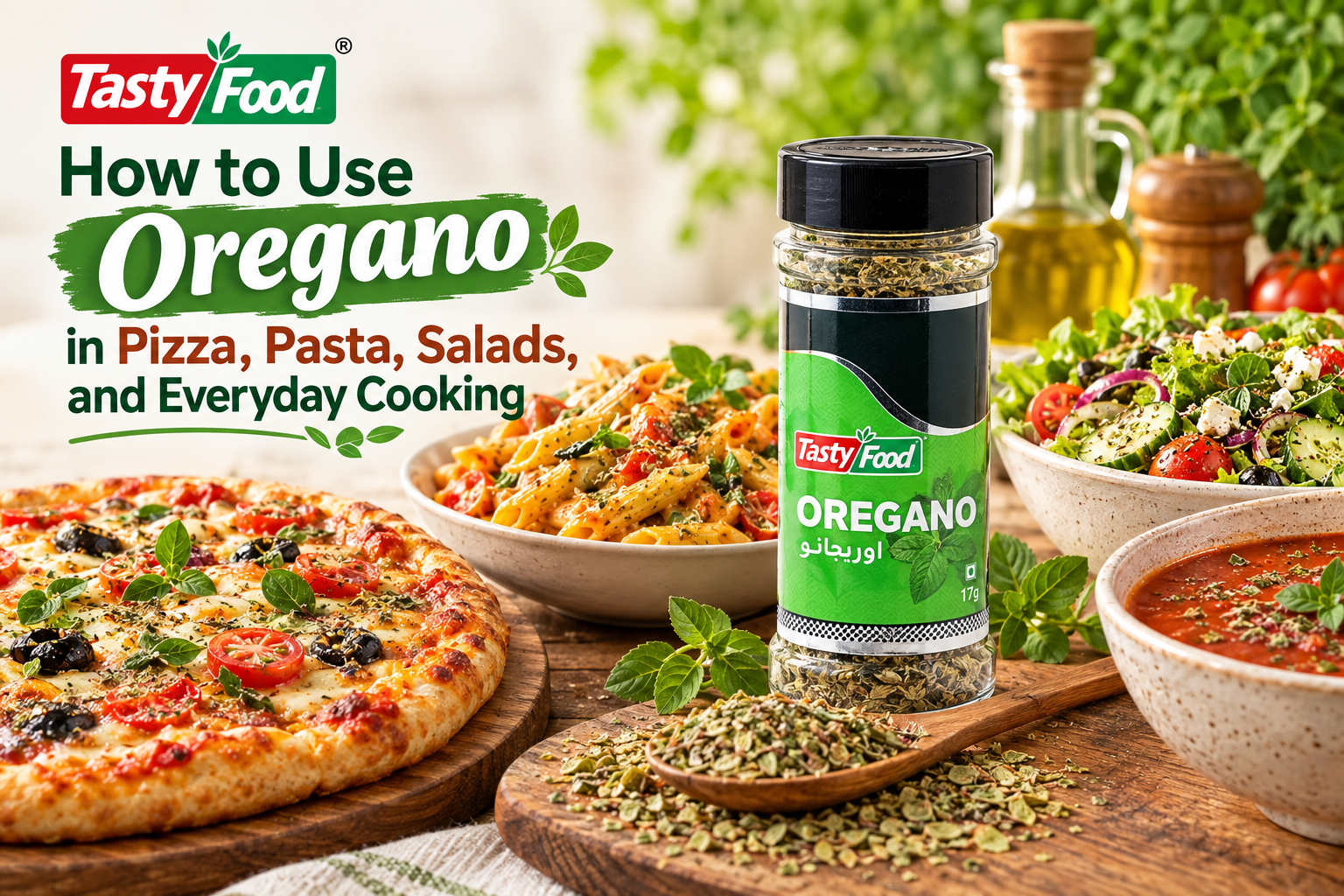

Quick Answer: Oregano works on pizza, in pasta sauces, salads, roasted vegetables, soups, marinades, sandwiches, and snacks like potatoes and popcorn. Add it early in slow-cooked dishes for deeper flavor, or sprinkle it on at the end for a fresher, sharper taste. A little goes a long way, so start with a light hand and adjust from there.
Oregano is one of those herbs that sits quietly in the kitchen cabinet until pizza night comes around. But this little herb deserves way more credit than that. A pinch of dried oregano can lift a bowl of pasta, wake up a salad, or turn plain roasted vegetables into something worth talking about. Knowing how to use oregano properly, and not just sprinkling it on at random, is what separates a good dish from a forgettable one.
Native to parts of Europe, western Asia, and the Mediterranean, oregano (Origanum vulgare) has been a kitchen staple in many regional cuisines for generations. Its warm, slightly peppery flavor pairs naturally with tomatoes, garlic, olive oil, and cheese, which is exactly why oregano herb shows up so often in classic Italian dishes and as a base ingredient in Italian seasoning blends.
This guide covers practical oregano uses in cooking, from pizza and pasta to salads, soups, and marinades. Along the way, TastyFood Oregano makes a natural appearance as a go-to option for home cooks who want consistent flavor without any fuss.
How to Use Oregano in Pizza
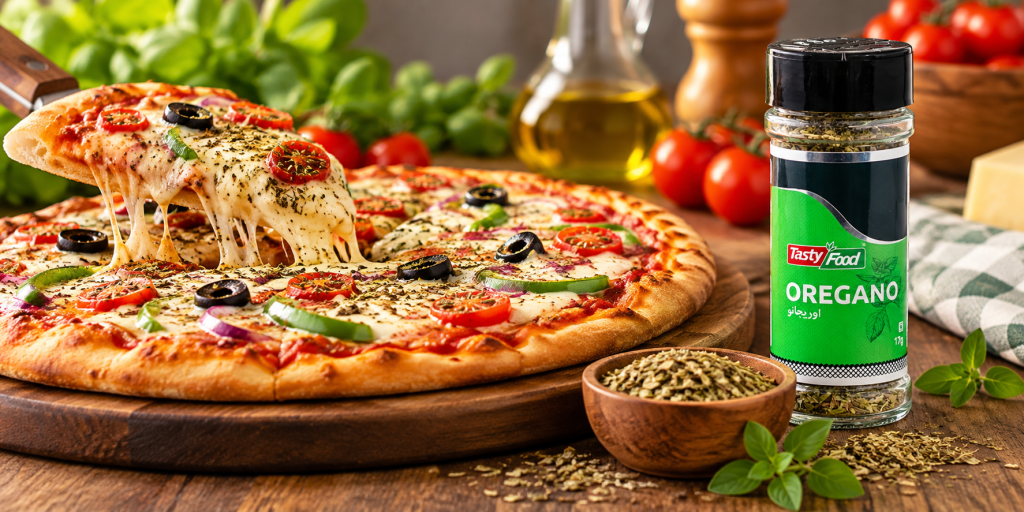
Pizza and oregano practically go hand in hand, but timing and quantity actually matter more than people realize. Oregano is often the default pizza seasoning for a reason. It cuts through the richness of cheese and balances the sweetness of tomato sauce.
When to add oregano: Sprinkle dried oregano on top of the pizza after it comes out of the oven or during the final few minutes of baking. Adding it toward the end helps preserve more of its aroma and fresh herbal character, although it can also be added before baking if preferred.
How much to use: A light sprinkle is enough for a regular-sized pizza. Start with about ¼ to ½ teaspoon per pizza and adjust from there. Oregano is potent, so a little really does go a long way.
Best ingredient pairings: Oregano works beautifully with tomato sauce, mozzarella, olives, and a drizzle of olive oil. It also pairs well with chilli flakes for those who like a bit of heat, and fresh basil for a more rounded, herby finish. For homemade pizza nights, keeping a jar of dried oregano within reach makes it easy to season each pizza right before serving.
How to Use Oregano in Pasta
Pasta is another dish where oregano fits in effortlessly, especially with tomato-based recipes. This is one of the simplest ways to learn how to use oregano in cooking without overcomplicating anything.
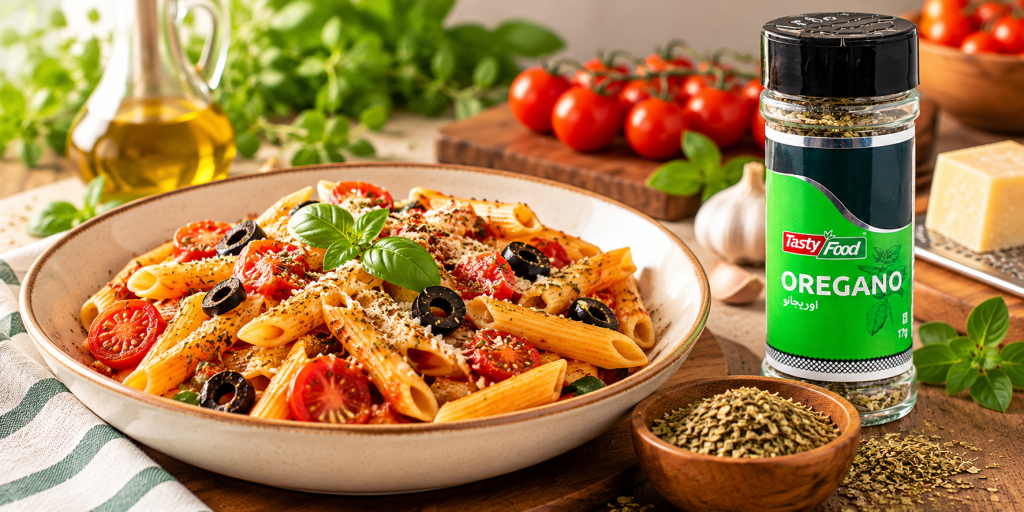
Adding oregano to tomato-based sauces: Stir dried oregano into the sauce while it simmers. This gives the herb enough time to release its flavor into the tomatoes, garlic, and onions. About one teaspoon for a standard batch of sauce is a good starting point, although the amount can be adjusted according to taste. It also doubles as a natural pasta seasoning without needing extra additives.
Oregano with garlic, olive oil and cheese: For simpler, non-tomato pasta dishes, oregano still has a place. Mix it with garlic, olive oil, and grated parmesan for a quick and satisfying flavor base that needs almost no effort.
Simple oregano pasta idea: Toss cooked pasta with olive oil, minced garlic, a generous pinch of oregano, and a handful of parmesan. Add chilli flakes if a bit of spice is welcome. This kind of pasta comes together in under fifteen minutes and tastes like something from a proper Italian kitchen. It’s one of those easy oregano recipes worth keeping on hand for busy weeknights.
How to Use Oregano in Salads
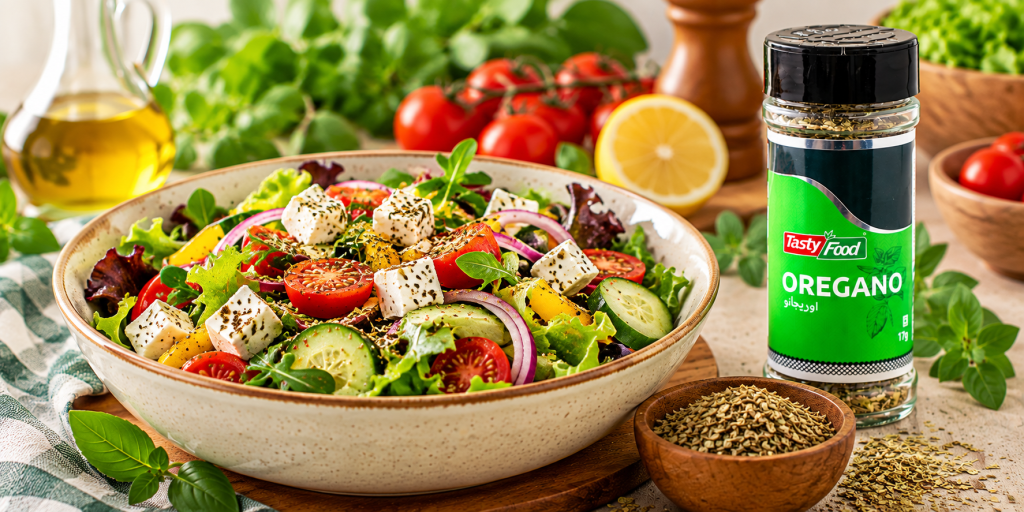
Oregano isn’t just for cooked dishes. It’s a fantastic addition to salads too, particularly those made with ingredients like tomatoes, cucumbers, olives, and feta cheese.
Oregano-based salad dressing: Whisk together olive oil, lemon juice, a pinch of salt, and dried oregano for a simple dressing that takes minutes to make. This works especially well on Greek-style salads.
Best vegetable pairings: Cucumbers, tomatoes, red onions, and feta cheese all pair naturally with oregano. It’s also great sprinkled over roasted or grilled vegetables mixed into a salad.
Lemon, olive oil, and oregano combination: This trio is a classic for a reason. The acidity from the lemon balances oregano’s earthy, slightly bitter notes, while olive oil ties everything together. It’s a combination worth keeping on hand for quick weekday salads.
5 Easy Ways to Use Oregano in Everyday Cooking
Beyond the usual pizza and pasta routine, oregano can be worked into all kinds of everyday meals. These dried oregano uses go far beyond what most people expect from a single jar of herbs.
Roasted vegetables: Toss vegetables like zucchini, bell peppers, and potatoes with olive oil and oregano before roasting. The herb crisps up slightly in the oven and adds a nice earthy flavor.
Soups and sauces: Oregano adds depth to tomato-based soups, minestrone, and pasta sauces. A pinch added early in the cooking process blends well with the other ingredients.
Chicken and marinades: Mix oregano with olive oil, garlic, and lemon juice for a quick marinade. It works particularly well with grilled chicken, giving it a herbaceous, savoury flavor profile without much effort.
Potatoes and snacks: Sprinkle oregano over roasted potatoes, homemade fries, popcorn, or other savoury snacks for an easy herbal kick.
Sandwiches and wraps: A light dusting of oregano over sandwich fillings or wraps, especially ones with cheese, tomatoes, or grilled vegetables, adds a pleasant herbal touch without overpowering the other flavors.
Tips for Using Dried Oregano
Getting the most out of oregano seasoning comes down to a few small habits.
When to add it during cooking: For slow-cooked dishes like sauces and soups, add oregano early so its flavor has time to develop. For quick dishes, toppings, or dressings, add it toward the end to keep the flavor fresh and vibrant. Oregano pairs well with herbs like thyme and basil, so mixing a pinch of each can round out a dish nicely.
How much to use: Dried oregano is more concentrated than fresh oregano, so you can use roughly one-third as much dried oregano as fresh oregano if a recipe calls for the fresh version.
How to store it properly: Keep dried oregano in an airtight container, away from direct sunlight and heat sources like the stove. According to the USDA, dried oregano generally retains good quality for about one to three years when stored properly, although it’s best used within the first year for the strongest flavor and aroma. The herb does not really spoil in that time, it just fades, so checking the smell and color before use is a good habit to build.
Why Choose TastyFood Oregano?
Not all dried oregano tastes the same. Quality, freshness, and how the herb is processed all make a real difference in the final flavor of a dish.
TastyFood Oregano is sourced and prepared with a focus on retaining natural flavor and aroma, so a small pinch goes further and actually tastes like something. It’s a simple, no-fuss option for home cooks who want reliable results every time, whether that’s for pizza night, a quick pasta dish, or a weekend salad.
For anyone in the UAE looking to stock their kitchen with good-quality herbs, TastyFood Oregano is available to order online, making it easy to keep this everyday essential within reach. Buy Oregano Online UAE and skip the guesswork on flavor.
FAQs About Oregano
How do you use oregano in cooking?
Oregano works well in tomato-based sauces, soups, marinades, dressings, and as a finishing touch on pizzas, roasted vegetables, and sandwiches. It can be added early in cooking for deeper flavor or sprinkled on at the end for a fresher taste.
Can you put oregano directly on pizza?
Yes. Dried oregano can be sprinkled on pizza before baking, during the final few minutes of cooking, or after baking. Adding it toward the end helps preserve more of its flavor and aroma.
Is oregano good for pasta?
Absolutely. Oregano pairs especially well with tomato-based pasta sauces and also works in simpler garlic and olive oil pasta dishes.
Can you use oregano in salads?
Yes, oregano is commonly used in Mediterranean-style salads, either mixed directly into the salad or blended into a lemon and olive oil dressing.
How much dried oregano should you use?
As a general guideline, use about one teaspoon per dish for sauces and marinades and a lighter sprinkle for pizzas, salads, or garnishes. Since oregano is fairly strong, it’s always better to start with less and add more if needed.
Oregano: Adding Flavour To Your Daily Cooking
Oregano is far more versatile than most people give it credit for. From pizza and pasta to salads, soups, and marinades, this humble herb fits into nearly every part of everyday cooking. Once the basics of how to use oregano become second nature, it turns into one of those pantry staples that gets reached for almost daily.
For those looking to keep their kitchen stocked with a reliable, flavorful option, TastyFood Oregano is worth adding to the pantry. Shop TastyFood Oregano Online and bring a bit of Mediterranean flavor to every meal. Ready to upgrade weeknight dinners? Order TastyFood Oregano now and taste the difference.

Add comment
You must be logged in to post a comment.