
Grains and pulses are the foundation of many healthy diets around the world. From everyday meals to traditional recipes, they provide essential nutrients, long-lasting energy, and versatility in cooking. However, not all grains and pulses are equal in quality or nutritional value. Knowing how to choose the right ones can make a real difference to your health, taste, and overall cooking results.
Understanding the Difference Between Grains and Pulses
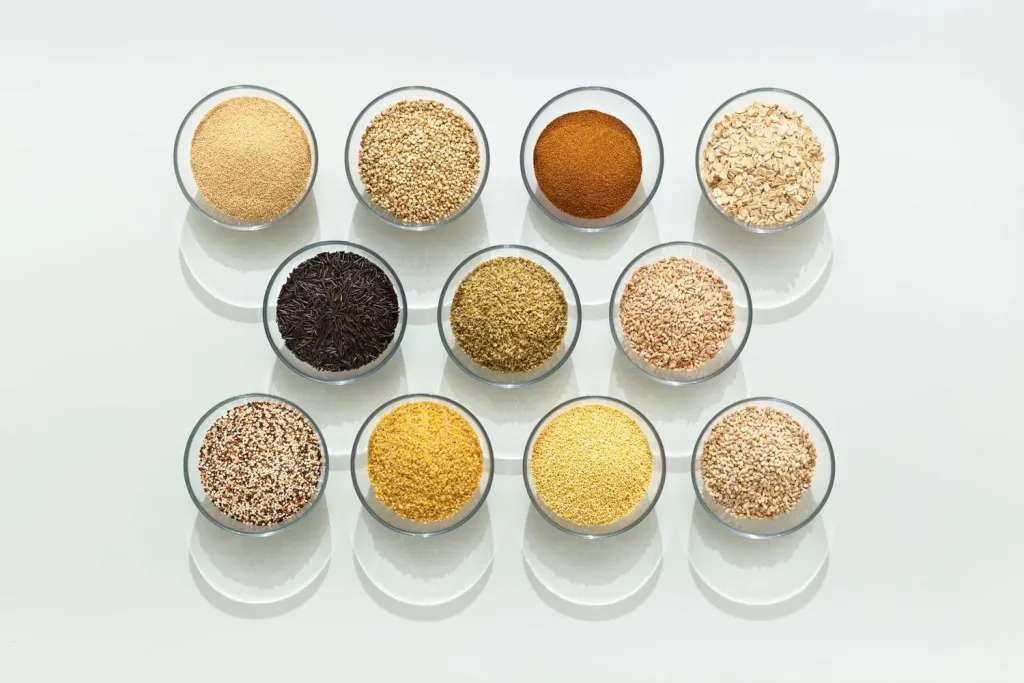
Grains are seeds harvested from cereal crops such as rice, wheat, millet, oats, and barley. They are primarily a source of carbohydrates, but whole grains also contain fiber, vitamins, and minerals.
Pulses are the edible seeds of legumes, including lentils, chickpeas, beans, and peas. They are especially valued for their plant-based protein, fiber, and slow-digesting carbohydrates.
For balanced and healthy cooking, both grains and pulses should be included regularly, as they complement each other nutritionally.
Choose Whole Grains Over Refined Grains
One of the most important rules for healthy cooking is to prefer whole grains whenever possible. Whole grains retain all three parts of the grain kernel: the bran, germ, and endosperm. This means they contain more fiber, B-vitamins, iron, magnesium, and antioxidants compared to refined grains.
Examples of healthy whole grains include:
- Brown rice instead of white rice
- Whole wheat flour instead of refined flour
- Oats, millets, quinoa, and barley
Refined grains are often stripped of fiber and micronutrients during processing. While they may cook faster or taste lighter, they do not provide the same long-term health benefits as whole grains.
Look for Natural Color and Uniform Texture
When selecting grains and pulses, appearance matters. High-quality grains should have a natural, consistent color without excessive discoloration, dust, or broken pieces. Pulses should be firm, evenly sized, and free from visible holes or insect damage.
Uneven color or a dull, dusty surface can indicate poor storage or old stock. Fresh grains and pulses cook more evenly, taste better, and retain more nutrients.
Check Moisture and Smell Carefully
Moisture is a common reason grains and pulses spoil quickly. Always check that they feel dry to the touch. Any dampness increases the risk of mold growth, which can make food unsafe to consume.
Smell is another reliable indicator. Grains and pulses should have a mild, neutral, or slightly earthy aroma. A sour, musty, or oily smell suggests rancidity or improper storage and should be avoided.
Prioritize Pulses Based on Protein and Fiber Needs
Pulses are nutritional powerhouses, but each type offers slightly different benefits. Lentils cook quickly and are easy to digest, making them ideal for daily meals. Chickpeas are rich in fiber and provide a satisfying texture for curries, salads, and snacks. Beans such as kidney beans and black beans are higher in protein and work well in hearty dishes.
If your goal is healthy cooking, variety is key. Rotating different pulses ensures a wider range of nutrients and prevents dietary monotony.
Consider Cooking Time and Digestibility
Healthy eating should also be practical. Some grains and pulses require long soaking and cooking times, while others are quicker and easier to prepare. For example, split lentils cook faster than whole beans, and millets generally cook quicker than brown rice.
Soaking pulses before cooking improves digestibility, reduces cooking time, and helps lower naturally occurring compounds that can cause discomfort. For grains, soaking or rinsing can also improve texture and flavor.
Read Labels and Ingredient Information
When buying packaged grains and pulses, always read the label. The ingredient list should be short and simple, ideally containing only the grain or pulse itself. Avoid products with added preservatives, artificial colors, or unnecessary processing.
Check packaging dates and storage instructions as well. Properly packed grains and pulses maintain freshness longer and are less likely to be contaminated.
Storage Matters as Much as Selection
Even the best grains and pulses can lose quality if stored incorrectly. Once purchased, store them in airtight containers in a cool, dry place. Exposure to heat, light, and humidity can reduce shelf life and nutritional value.
For long-term storage, especially in warm climates, keeping pulses refrigerated can help maintain freshness and prevent pest issues.
Balance Nutrition With Taste and Tradition
Healthy cooking is not only about nutrients; taste and cultural preferences also matter. Choosing grains and pulses that suit your traditional recipes increases the likelihood that healthy foods become part of your regular routine.
By selecting high-quality whole grains, fresh pulses, and storing them properly, you create a strong foundation for nutritious, flavorful meals that support long-term well-being.

About author

Add comment
You must be logged in to post a comment.